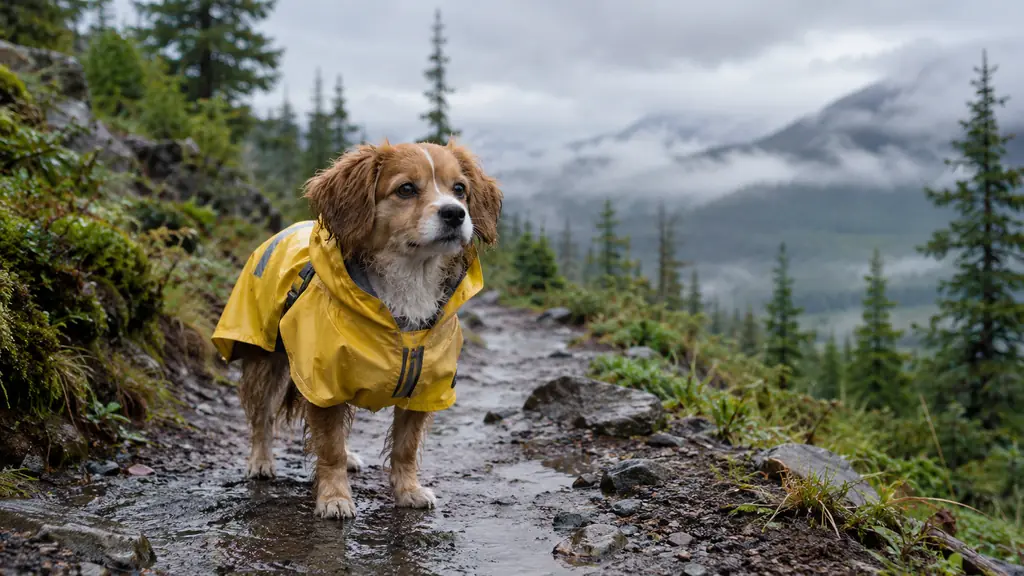
If your dog plants all four paws on the porch and refuses to move the second the sky opens up, I have been there. My dog Pip is a 7-year-old Italian Greyhound, about 13 pounds, with a thin coat and no body fat to spare. He shivers below 50 degrees and he outright refuses rain. Flagstaff monsoons from July into September turned our one-mile morning walk into a daily negotiation, and I tried everything: waiting out the storm, carrying an umbrella over him, shorter loops that dodged the drops. None of it worked. What finally worked was a raincoat that fit him properly and went on without a fight: the Ruffwear Sun Shower. This is the exact five-step routine that got a rain-hating dog to stand still for his coat and walk the whole trail in a downpour.
Before I explain the steps, one honest note. The coat is not the whole story. A raincoat only helps if the dog accepts it, and a dog accepts it when it fits well, feels light, and gets paired with treats and short, happy walks. The Ruffwear Sun Shower is light and packable, goes over his head, and closes with one buckle under his chest. It covers his back and sides but not his belly, so it is rain protection, not warmth. For a summer monsoon in Flagstaff, that was exactly what we needed. If you are trying to solve cold, this is not the coat for that. If you are trying to solve rain, keep reading.
Every dog is different, and I am not here to tell you that a coat alone will fix a deep fear of rain. If your dog panics at the first drop, you may need more time and a different approach. But for a dog who simply dislikes being wet and cold, the right coat, introduced the right way, can turn a porch standoff into a normal morning walk. Here is exactly what we did.
Start with a raincoat that fits from the first wear
The Ruffwear Sun Shower fits true to the chest measurement, so measure once and order with confidence. It is the coat that finally got Pip out the door on monsoon mornings.
Amazon Check Today's Price on Amazon →Step 1: Measure the Chest, Not the Guess
The one thing I learned from buying Pip's winter coat was to trust the chest measurement, not a guess. That coat fit on the first try, and I did the same for the raincoat. The Ruffwear Sun Shower size chart asks for the widest part of the chest, just behind the front legs. I measured Pip with a soft tape measure while he stood, then ordered from that number. It fit on the first try.
A coat that is too loose slips and spooks a dog. A coat that is too tight makes them freeze. The Sun Shower's fit was snug enough to stay put on a 13-pound dog with a deep, narrow chest, but loose enough that he could trot, stop, and sniff. That fit is the reason he stopped fighting it. If your dog is between sizes, the brand's size chart is straightforward, and the buckle under the chest lets you adjust the fit a little.
What I learned from sewing is that fit is everything. A sleeve that is a half inch too long bothers me all day, and a dog feels the same way about a coat that rides up or drags. The Sun Shower stays put because the chest measurement is the one that matters for this style. Measure twice if you have to. A few extra minutes with a tape measure saved us weeks of fighting a coat that did not fit.
Step 2: Let Them See It and Sniff It First
Dogs do not understand why a strange piece of fabric is suddenly coming at their head. So I did not go straight for the head hole. I left the raincoat on the floor by the door for a day. Pip sniffed it, stepped on it, and ignored it. That is exactly what I wanted.
The next day I showed it to him with a treat in my hand. I touched the fabric, let him sniff the buckle, and gave him a small reward. The Sun Shower is light and quiet, so there was no crinkly noise to spook him. A stiff, noisy coat would have made this step much harder. Let the dog decide the coat is boring before you ever try to put it on.
I also put the coat next to his bed for part of the day. That sounds strange, but it made the coat a normal object instead of a thing that appeared only when rain was coming. By the time I picked it up, he barely looked at it. The quiet fabric helped too. Some raincoats crackle with every step, and a sensitive dog will notice that noise before he notices the rain.
Step 3: Make the First Try-On a Two-Minute Treat Party
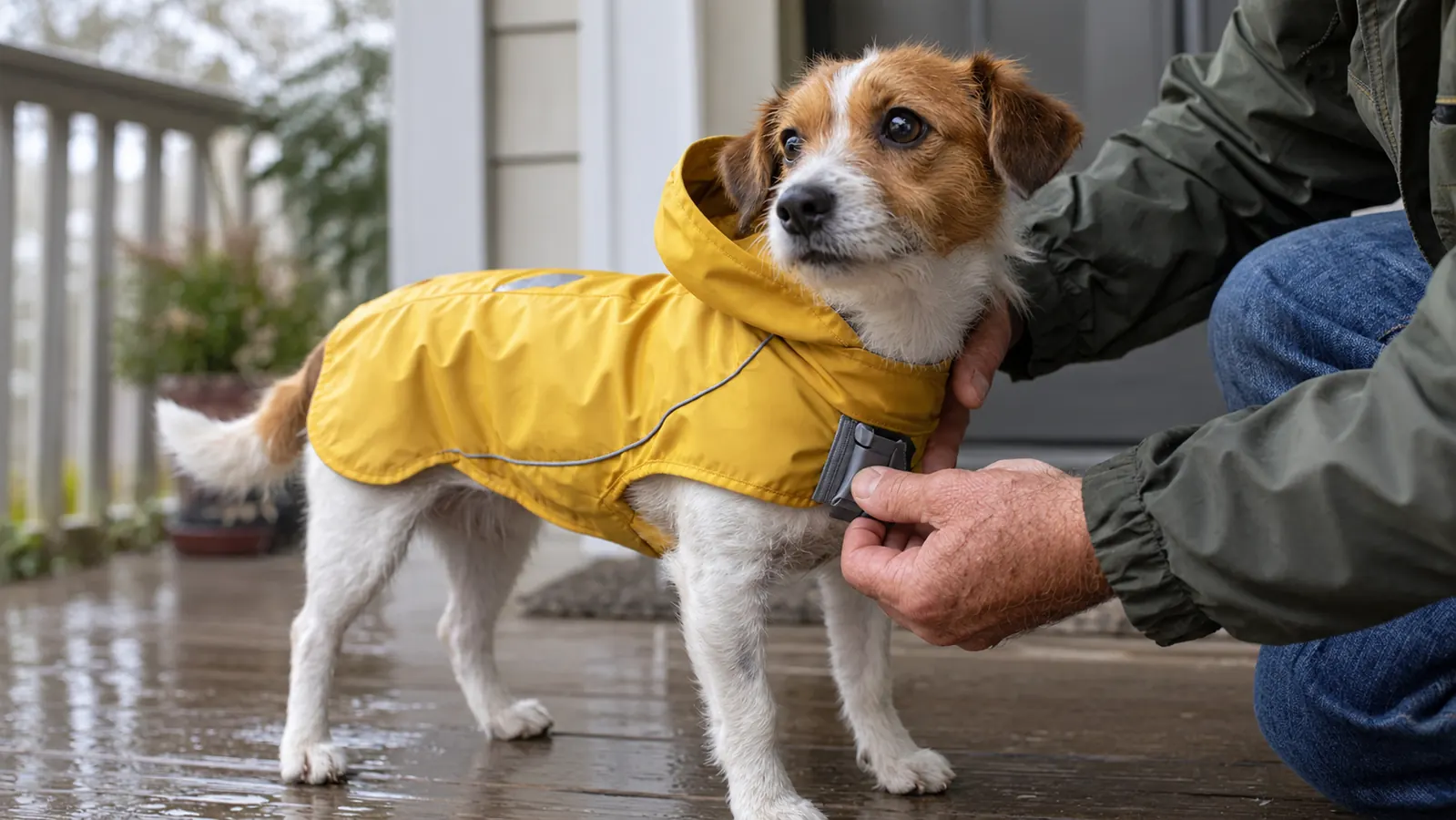
The first time I put the coat on Pip, I did it in the living room, not at the door. I opened the coat over his head the way the instructions show, brought the buckle under his chest, and clipped it. Then I gave him a string of tiny treats, one after another, and took the coat right off. Total time under two minutes.
We did that three mornings in a row before we ever stepped outside. The leash portal on the back meant I could clip his leash through the coat, which matters because Pip wears a harness underneath and I did not want to wrestle two layers at the door. By the third try-on, he stood still for the whole thing. That is the moment the routine started to feel possible.
The treats mattered more than the coat at first. I used tiny bits of chicken, not his regular kibble, because I wanted the try-on to feel like a special event. He learned that the coat meant chicken was coming, and that association did the heavy lifting. I never chased him with the coat. If he stepped away, I waited. The moment he stood still, we moved on.
Step 4: Start With a Mist, Not a Downpour
I did not wait for a July gullywasher to test the coat. I waited for a gray morning with a light drizzle, the kind of rain that barely registers on a windshield. Pip wore the coat, we walked a short stretch of the loop, and he did not try to turn for home. That short, successful walk did more than a dozen practice sessions.
A rain-hating dog needs proof that the coat means the walk can happen, not that the coat means something scary is coming. Starting with light rain keeps the first outdoor experience gentle. Once he had a few dry-in-the-rain walks under his collar, the coat became the signal that we were going out, and that was the whole point. The Sun Shower is not a warmth layer, but in summer rain he did not need warmth, he just needed to stay dry.
The first drizzle walk was short, maybe a quarter of the loop, and I let him set the pace. He stopped to sniff puddles, which surprised me. A dog who used to refuse to step off the porch was sniffing puddles in a light rain. We turned for home before he was ready, which is the trick: end the walk while it is still fun. That left him wanting more instead of dreading the next one.
Step 5: Build the Routine Until It Is Boring
Every morning we do the same one-mile loop, roughly 25 minutes, on the same neighborhood trail. The raincoat lives by the door. Pip sees it, stands for the coat, and waits while I clip the leash through the portal. Boring is the goal. A dog who thinks the coat is just part of the morning does not waste energy fighting it.
When we get home, I wipe the coat down or rinse it with the hose and hang it to dry. The Ruffwear Sun Shower has held up through a full Flagstaff monsoon season, from July to September, with no loose seams and no smell. Taking care of it is part of the routine too, because a dry, clean coat is one the dog will keep tolerating.
Consistency mattered more than I expected. Dogs read patterns, and Pip now reads the raincoat as the first chapter of the morning walk. He does not love rain. He still hesitates on the worst days. But he wears the coat, walks the trail, and does his business, and that is a small triumph we repeat every single morning. The coat is simply part of the uniform now.
What Else Helps
Two small things made the raincoat routine stick. The first is a towel by the door, because a wet dog who hates rain also hates being wet afterward. The second is keeping the walk short on the worst days. We still did the full mile most mornings, but on the heaviest downpour days I let the loop be a little shorter. The coat did its job, Pip stayed dry, and he never had a reason to regress. If your dog is truly terrified of rain, start with the coat plus a handful of high-value treats and a very short walk, and let success build from there.
And if your dog still refuses to step outside, do not push it. A rain-hating dog who is forced out will only dig in deeper. Give the coat a few days, go back to treats, and try again on a gentler morning. Patience is not a workaround; it is the method.
What If Your Dog Still Refuses the Coat
Some dogs need more time, and some need a different style. If your dog will not tolerate a coat that goes over the head, look for a step-in style instead. If the coat fits but your dog still freezes, try wearing it around the house for a few minutes each day without going outside. The goal is to separate the coat from the scary part of the walk.
One more thing: check the fit again after a few wears. A coat that fit in July can feel different by September as your dog's weight shifts or the fabric relaxes. The Sun Shower's buckle under the chest made small adjustments easy. If the coat is riding forward or rubbing, fix the fit before you assume the dog hates the coat.
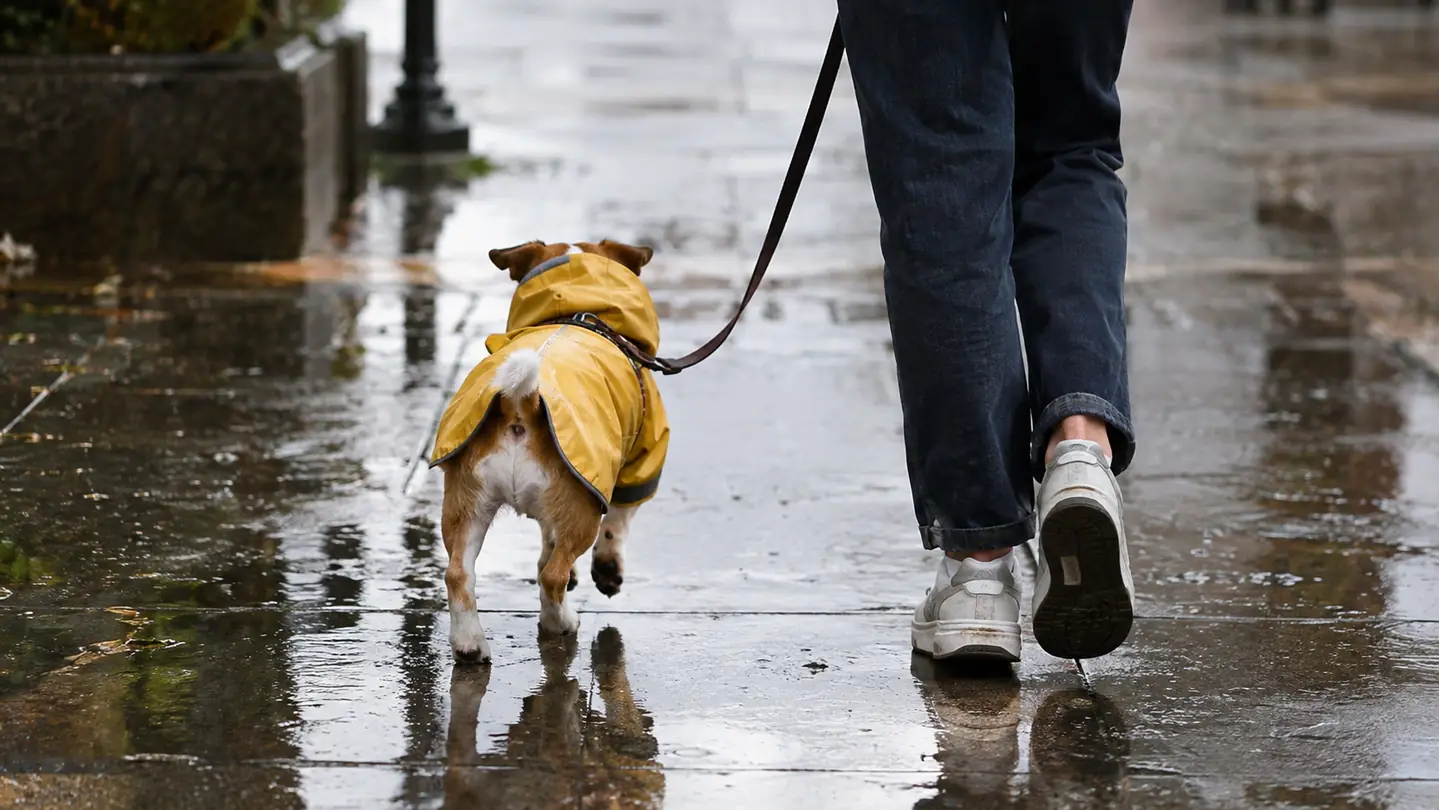
The morning Pip walked the full one-mile loop in steady rain without trying to turn for home, I knew the Ruffwear Sun Shower had done its job.
The Bottom Line
A rain-hating dog can learn to wear a raincoat, but the order matters. Measure first, let the dog get used to the coat, make the first try-ons short and full of treats, test it in light rain, then repeat the same boring routine until it feels normal. The Ruffwear Sun Shower earned its place by our door because it fit Pip on the first try, went on fast, and kept him dry through an entire monsoon season. If you have a dog who plants all four paws at the door when the sky opens up, this is the routine that finally worked for us.
Give your rain-hating dog a coat that makes the walk possible
Measure your dog's chest, order the Ruffwear Sun Shower, and follow the five steps above. It worked for a 13-pound Italian Greyhound who used to refuse to step off the porch.
Amazon Check Today's Price on Amazon →